Mostbet bahis şirketi ile Türkiye'de spor bahislerine ve online casinolarda oynamaya başlayabilirsiniz. Site ziyaretleri - Mostbet giris!

Rewriting futures: The impact of educational support at The Homestead

Academic success is often taken for granted, but for many vulnerable children supported by The Homestead, every pass mark represents far more than a good report card. It reflects stability, encouragement and the belief that their future can be different from their past.

Across the Homestead’s Prevention and Early Intervention (PEI) and residential programmes, a number of encouraging academic achievements were recorded in June, reinforcing the value of consistent educational support for children living in difficult circumstances.

Among the impressive achievements was a Grade 6 learner from the Bishop Lavis Drop-in Centre who finished first in the class for Mathematics, while a Grade 8 learner achieved the second-highest marks across the entire grade at Bishop Lavis High School.

At The Bridge Child and Youth Care Centre (CYCC), learners achieved a commendable overall pass rate, with the programme’s top academic performer earning five distinctions (Code 7s), two Code 6s and one Code 5. These results reflect both commitment and consistent academic support.

Meanwhile, children attending the Site C Drop-in Centre produced excellent term results, with only one learner requiring additional academic intervention. At the Mitchells Plain Drop-in Centre, the majority of children successfully passed the school term.

Behind these achievements lies the steady, daily support that makes progress possible.

Children attending the Homestead’s centres receive structured homework supervision, examination preparation, peer learning opportunities and one-on-one assistance where needed. Study plans are developed, school attendance is monitored, uniforms and stationery are provided where possible, and social workers maintain close relationships with schools and families to address challenges before they become crises.


“Academic success doesn’t happen by accident,” says Yolokazi Tinto, Social Worker at the Homestead. “Many of our children face circumstances that make learning incredibly difficult. Some have experienced trauma, instability or interrupted schooling, while others simply don’t have a quiet place to study or an adult available to help with homework. Our role is to provide the consistency, encouragement and practical support that allows children to believe in themselves again.”

The organisation’s educational support extends well beyond the classroom, assisting children with school placements, facilitating assessments where learning difficulties are suspected, and collaborating closely with schools to ensure learners receive the support they need to thrive.

Recent examples include helping a child secure a school placement after relocating to Cape Town, arranging an assessment that led to an ADHD diagnosis and treatment for another child, and assisting a youngster to obtain spectacles to improve their learning experience.

For Yolokazi, every report card represents something much bigger than marks.

“When a child who once believed they couldn’t succeed suddenly starts passing tests or finishes top of their class, it changes how they see themselves. Education gives children confidence, opens opportunities and reminds them that their circumstances today do not have to define their future.”

As Nelson Mandela reminded us, “Education is the most powerful weapon which you can use to change the world.”

Preparing young people for life beyond school

For many young people growing up in challenging circumstances, the transition from school to employment is made even harder by limited access to guidance, personal and professional support networks, and practical life skills. From compiling a professional CV and writing a personalised cover email to understanding what employers expect, these steps are often unfamiliar and can determine whether a job application receives a second look.

South Africa’s youth unemployment crisis means securing a first job has never been more competitive. While the country’s official unemployment rate stands at 32.7%, unemployment among 15- to 24-year-olds has reached 60.9%, leaving many school and university leavers competing for a limited number of opportunities.

Recognising this gap, the Homestead is equipping young people with the practical tools and confidence they need to enter the world of work.

“We often celebrate when a young person gets a job, but what people don’t always see is everything that happens behind the scenes,” says Steven Tlala, who heads up the LaunchPad Transitional Youth Programme. “There are conversations about confidence, practical support with CVs and applications, encouragement after unsuccessful interviews and someone reminding them not to give up. Those small moments of support can change the course of a young person’s future.”

Across its Prevention and Early Intervention programmes, The Homestead assists young people and caregivers with compiling professional CVs, preparing supporting documentation, making certified copies of identity documents and qualifications, writing tailored application emails and navigating what can be an intimidating process of applying for work.

The organisation also supports young people through the LaunchPad, which equips those leaving residential care with the practical skills needed to transition successfully into independent adulthood. Alongside employment readiness, participants receive ongoing support, mentoring and aftercare as they establish themselves in the workplace and broader community.

That support is already making a measurable difference. Two young jobseekers who received assistance through the Homestead’s Yizani Drop-in Centre were recently referred to employment opportunities with a local cleaning company. After completing training, both secured permanent positions, demonstrating how practical support and preparation can open the door to meaningful employment.

 “Watching a young person receive that phone call offering them their first job is incredibly rewarding,” says  Steven. “It’s not just about earning an income. It’s about dignity, independence and the confidence that comes from knowing someone believed in you.”

A well-prepared CV remains one of the most important tools available to first-time jobseekers. Rather than submitting generic applications, The Homestead encourages the youth to present themselves professionally, tailor every application to the position they are applying for and include a personalised cover email explaining why they are interested in the role.

In an increasingly competitive employment market, opportunities often begin long before an interview is offered. For many young people, learning how to present themselves professionally is one of the first steps towards building confidence, achieving financial independence and creating a more secure future.

The Fight to Give Vulnerable Children an Identity

For most people, a birth certificate is a simple document that confirms who you are and where you belong; issued shortly after birth, filed away and rarely thought about again. But for many children growing up in vulnerable communities, not having this document can shape the course of their entire lives.

At The Homestead’s Manenberg Drop-in Centre, helping children without birth certificates has become one of the most complex, and essential, parts of the organisation’s work.

Without a birth certificate, a child is effectively invisible in the eyes of the system. They cannot easily enrol in school, access healthcare, apply for social grants, or later in life seek employment or further education. Even opening a bank account or writing matric exams can become difficult without proper identification.

“The impact is far-reaching,” says social worker Lena Hlotywa. “A child without documentation is excluded from opportunities most of us take for granted. It’s not just an administrative issue, it affects their entire future.”

Yet resolving this issue is rarely straightforward.

Many of the children supported by The Homestead come from circumstances where parents are absent, deceased, or unknown. In some cases, there are no official records of birth at all. In others, extended family members step in as caregivers but lack the legal authority or documentation required to register the child.

The process of obtaining a late birth certificate in South Africa is particularly complex. It often involves multiple visits to government departments, affidavits, supporting documents, and the involvement of social workers or legal guardians. Each case is different, and many take months, if not years, to resolve.

“It can be an incredibly labour-intensive process,” Lena explains. “You are dealing with missing paperwork, unclear family structures, and systems that are not always straightforward. It requires persistence, patience and ongoing support for the families involved.”

Despite these challenges, there have been meaningful successes.

In recent months, The Homestead has assisted parents and caregivers in applying for late birth certificates for children who had never been registered. In one case, a child who had lived without documentation for years was finally able to obtain a South African ID card after a four-year journey involving his grandmother and extensive support from the team.

In another case, staff worked with a child whose mother had passed away and whose father could not be located. After tracing distant relatives who could act as legal guardians, the team helped initiate the process for the child’s ID application, an important step towards securing his future.

“These moments are incredibly rewarding,” says auxiliary social worker Yumna Boukers. “When a child finally receives their documentation, it opens doors that were previously closed.”

Beyond individual cases, the need in the community remains significant. The Manenberg Drop-in Centre regularly receives walk-in requests from community members seeking assistance not only with birth registrations, but also with ID applications, job-seeking documentation, and access to services.

This growing demand highlights a broader systemic issue, one that extends far beyond a single community.

“Documentation is something many people don’t think about until it becomes a problem,” Yumna notes. “But for vulnerable children, it can be one of the biggest barriers to stability and opportunity.”

Through its work, The Homestead is helping to address that barrier, one child at a time.

By working through administrative complexities, supporting families at every stage, and advocating for children who would otherwise remain unseen, the organisation is ensuring that more young people are recognised not just in law, but in society.

Because sometimes, the first step towards building a future is simply being counted.

The Cottage That Kindness Built

How One Donation is Transforming a Home for Vulnerable Boys

At The Bridge Child and Youth Care Centre in Khayelitsha, part of The Homestead Projects for Street Children, change is often measured in small but meaningful ways: a child returning to school, a breakthrough in counselling, trust slowly rebuilt, or a boy sleeping through the night for the first time in months.

Now, that change is also taking physical shape.

Thanks to the generosity of a donor, the renovation of one of the centre’s ‘cottages’ is currently underway, a project that is already beginning to transform the daily living environment for the boys who call The Bridge home.

While the work may appear to be purely structural, its impact runs much deeper.

“For many of our boys, this is the first time they are experiencing a space that feels truly safe, clean and their own,” says Zibele Qwemesha, Programme Manager at The Bridge. “The physical environment plays a significant role in how children see themselves and how they begin to rebuild a sense of dignity.”

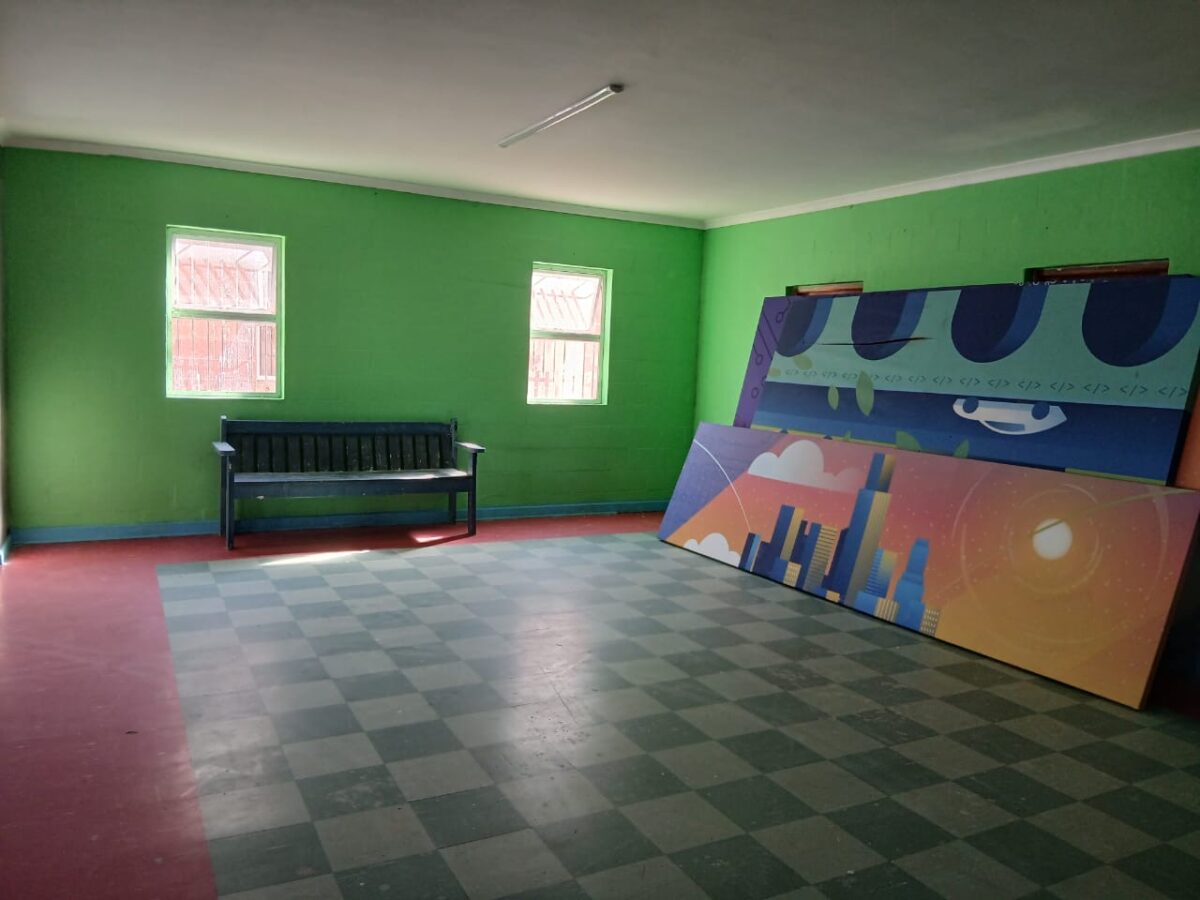
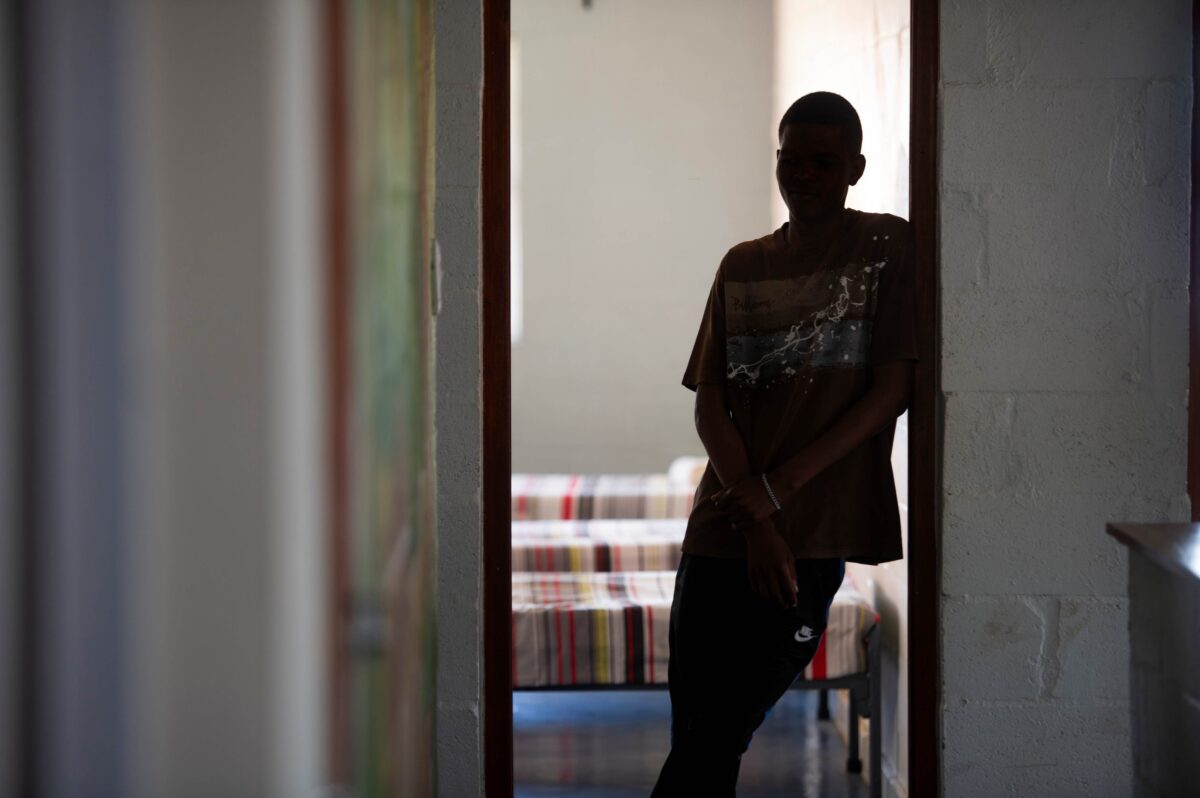
The cottage, which houses a number of the boys in residential care and provides recreational space as well as a place to share meals, is being upgraded to improve both functionality and comfort. Enhancements include interiors given a much-needed lift, improved sleeping areas and better use of shared spaces, all designed to create a more stable and nurturing environment.

These changes are not just cosmetic. For children who have lived on the streets or in unstable conditions, access to a well-maintained living space can have a real psychological effect.

“When a child has experienced neglect or instability, even something as simple as having a clean, well-kept room can make a difference,” Qwemesha explains. “It helps create a sense of belonging and routine, which is essential for their development.”

The renovation also supports the practical realities of running a residential facility. Improved hygiene standards, easier-to-maintain spaces and more organised living areas help staff provide better care and supervision.

Importantly, the upgraded cottage creates an environment that reinforces the structure and stability the programme aims to provide, something that is not always easy to maintain when children are adjusting from life on the streets.

“A big part of our work is helping children adapt to a more structured environment,” says Qwemesha. “When the space itself supports that structure, when it is calm, organised and cared for, it makes that transition easier.”

The project stands as a clear reminder of the difference donor support can make. While much of the work at The Homestead happens behind the scenes, this renovation offers a visible example of how contributions translate directly into improved living conditions for vulnerable children.

“This cottage is more than just a building,” Qwemesha reflects. “It’s part of creating a space where children can start to feel secure, valued and hopeful about their future.”

As the renovation progresses, the impact will continue to unfold, not only in the physical transformation of the space, but in the everyday experiences of the boys who live there.

For The Homestead, it is another step forward in its ongoing work: providing children with the environment, stability and care they need to move away from life on the streets and towards a more secure future.

From Survival to Hope: The Daily Work of The Bridge

Most people imagine a children’s shelter as a safe haven providing food, rest, and schooling. However, maintaining this picture demands daily, hands-on work—ensuring school attendance, offering counselling, managing behavioural challenges, and supporting youth who are often drawn back into street life.

At The Bridge Child and Youth Care Centre in Khayelitsha, part of The Homestead Programmes for Street Children, this essential, behind-the-scenes work unfolds daily. Staff walk alongside each child, helping them rebuild routines, regain trust, and experience the consistency that makes long‑term change possible.

The facility provides care for boys who have lived on the streets or come from vulnerable backgrounds. Each month brings moments of progress, but also difficult realities that call for patience, resilience, and professional care.

“People often think that once a child arrives at a shelter, everything becomes easy,” says Zibele Qwemesha, Programme Manager at The Bridge. “In reality, it’s the beginning of a long process of rebuilding trust, safety and routine. Many of the children we care for have experienced neglect, violence or life on the streets. Healing from that takes time and consistent support.”

A dedicated network of staff holds this work together. Social workers provide counselling and help reconnect families; child and youth care workers supervise, mentor and manage conflicts. Administrative, domestic, and maintenance staff ensure smooth operations and a welcoming environment.

“Our work is more than providing shelter,” Qwemesha explains. “We help children reconnect with education, learn life skills and, when possible, rebuild family relationships.”

One ongoing challenge shelters face is helping children remain in care after they arrive.

“A frequent difficulty is keeping a child off the streets and engaged in the programme,” says Qwemesha. “Some of the boys have spent long periods living independently on the streets. Adjusting to structure and rules can be difficult. Sometimes they leave the centre and return to the streets, which is always deeply concerning for us.”

When this happens, staff continue working to reconnect with the child to guide them back to a safer environment. Their efforts are persistent and compassionate—phone calls, community outreach, and coordination with local partners all play a role. Recently, a boy who had left the facility was located by police and returned safely after several weeks on the streets.

“When children leave the centre, it’s extremely worrying because the streets are dangerous for young people,” says Qwemesha. “When they come back, we use that moment to re-engage with them and remind them that this is a place where they are supported.”

In contrast to these challenges, family reunification remains one of the most meaningful outcomes of The Bridge’s work. In one such instance, a child who had endured repeated trauma was successfully reunited with family members after extensive social work intervention. An outcome that reflects both the persistence of the team and the resilience of the child.

“These are the moments that remind us why the work matters,” says Qwemesha. “When a child who has been through so much can safely return to family care, it shows months — sometimes years — of effort from our team.”

Despite the challenges, small victories emerge. Improved school attendance, steady participation in programmes, and learning daily responsibilities all signal meaningful progress.

Physical environment also matters. Renovations are underway on one of the facility’s cottages, thanks to the generosity of a donor. This creates a more comfortable living space for the boys.

“A safe and well-maintained environment helps children regain a sense of dignity and belonging,” Qwemesha says.

In addition to these internal developments, the centre also underwent an unannounced inspection by the Department of Social Development, which confirmed the high standards of care maintained by the team.

“Our staff work incredibly hard every day,” Qwemesha says. “From the social workers to the childcare workers and support staff, everyone plays a role. They help create a place where children can feel safe and start believing in their future again.”

The dedicated, daily work at children’s shelters like The Bridge enables young people to move beyond survival and begin discovering real hope and opportunity for their future.