Mostbet bahis şirketi ile Türkiye'de spor bahislerine ve online casinolarda oynamaya başlayabilirsiniz. Site ziyaretleri - Mostbet giris!

Preparing young people for life beyond school

For many young people growing up in challenging circumstances, the transition from school to employment is made even harder by limited access to guidance, personal and professional support networks, and practical life skills. From compiling a professional CV and writing a personalised cover email to understanding what employers expect, these steps are often unfamiliar and can determine whether a job application receives a second look.

South Africa’s youth unemployment crisis means securing a first job has never been more competitive. While the country’s official unemployment rate stands at 32.7%, unemployment among 15- to 24-year-olds has reached 60.9%, leaving many school and university leavers competing for a limited number of opportunities.

Recognising this gap, the Homestead is equipping young people with the practical tools and confidence they need to enter the world of work.

“We often celebrate when a young person gets a job, but what people don’t always see is everything that happens behind the scenes,” says Steven Tlala, who heads up the LaunchPad Transitional Youth Programme. “There are conversations about confidence, practical support with CVs and applications, encouragement after unsuccessful interviews and someone reminding them not to give up. Those small moments of support can change the course of a young person’s future.”

Across its Prevention and Early Intervention programmes, The Homestead assists young people and caregivers with compiling professional CVs, preparing supporting documentation, making certified copies of identity documents and qualifications, writing tailored application emails and navigating what can be an intimidating process of applying for work.

The organisation also supports young people through the LaunchPad, which equips those leaving residential care with the practical skills needed to transition successfully into independent adulthood. Alongside employment readiness, participants receive ongoing support, mentoring and aftercare as they establish themselves in the workplace and broader community.

That support is already making a measurable difference. Two young jobseekers who received assistance through the Homestead’s Yizani Drop-in Centre were recently referred to employment opportunities with a local cleaning company. After completing training, both secured permanent positions, demonstrating how practical support and preparation can open the door to meaningful employment.

 “Watching a young person receive that phone call offering them their first job is incredibly rewarding,” says  Steven. “It’s not just about earning an income. It’s about dignity, independence and the confidence that comes from knowing someone believed in you.”

A well-prepared CV remains one of the most important tools available to first-time jobseekers. Rather than submitting generic applications, The Homestead encourages the youth to present themselves professionally, tailor every application to the position they are applying for and include a personalised cover email explaining why they are interested in the role.

In an increasingly competitive employment market, opportunities often begin long before an interview is offered. For many young people, learning how to present themselves professionally is one of the first steps towards building confidence, achieving financial independence and creating a more secure future.
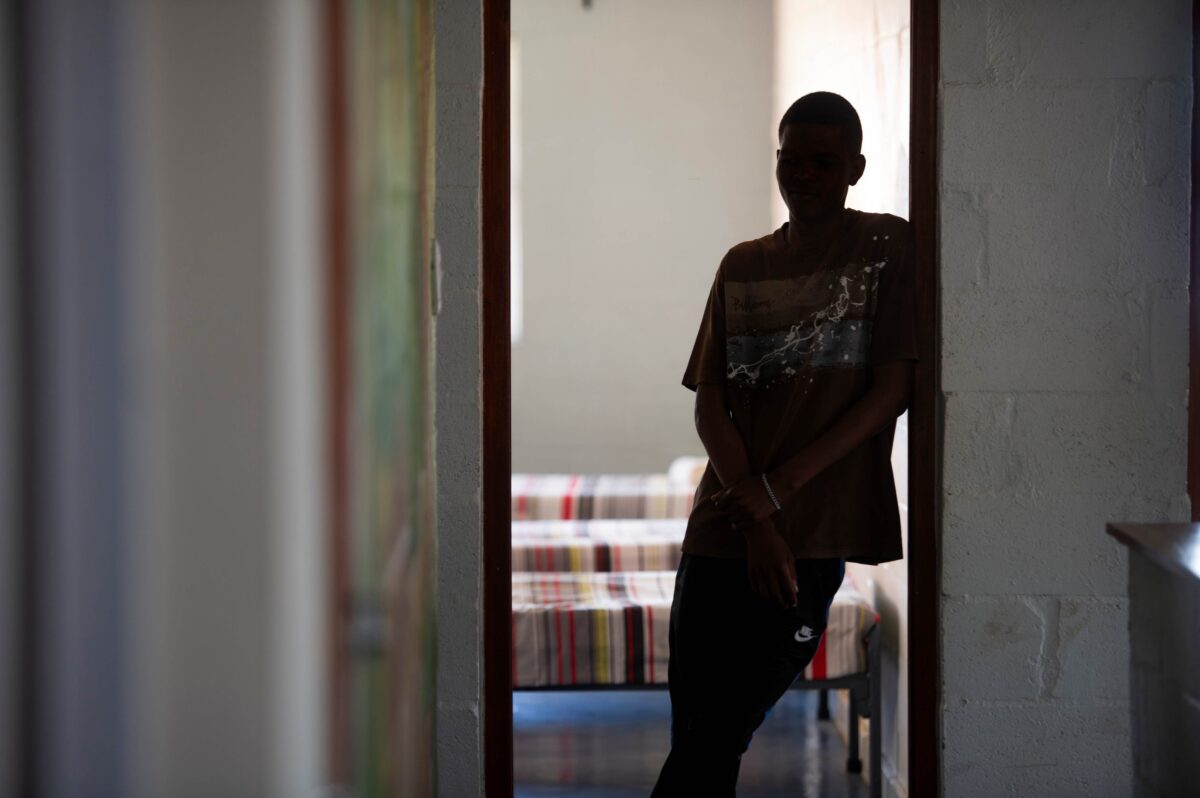
The Fight to Give Vulnerable Children an Identity

For most people, a birth certificate is a simple document that confirms who you are and where you belong; issued shortly after birth, filed away and rarely thought about again. But for many children growing up in vulnerable communities, not having this document can shape the course of their entire lives.

At The Homestead’s Manenberg Drop-in Centre, helping children without birth certificates has become one of the most complex, and essential, parts of the organisation’s work.

Without a birth certificate, a child is effectively invisible in the eyes of the system. They cannot easily enrol in school, access healthcare, apply for social grants, or later in life seek employment or further education. Even opening a bank account or writing matric exams can become difficult without proper identification.

“The impact is far-reaching,” says social worker Lena Hlotywa. “A child without documentation is excluded from opportunities most of us take for granted. It’s not just an administrative issue, it affects their entire future.”

Yet resolving this issue is rarely straightforward.

Many of the children supported by The Homestead come from circumstances where parents are absent, deceased, or unknown. In some cases, there are no official records of birth at all. In others, extended family members step in as caregivers but lack the legal authority or documentation required to register the child.

The process of obtaining a late birth certificate in South Africa is particularly complex. It often involves multiple visits to government departments, affidavits, supporting documents, and the involvement of social workers or legal guardians. Each case is different, and many take months, if not years, to resolve.

“It can be an incredibly labour-intensive process,” Lena explains. “You are dealing with missing paperwork, unclear family structures, and systems that are not always straightforward. It requires persistence, patience and ongoing support for the families involved.”

Despite these challenges, there have been meaningful successes.

In recent months, The Homestead has assisted parents and caregivers in applying for late birth certificates for children who had never been registered. In one case, a child who had lived without documentation for years was finally able to obtain a South African ID card after a four-year journey involving his grandmother and extensive support from the team.

In another case, staff worked with a child whose mother had passed away and whose father could not be located. After tracing distant relatives who could act as legal guardians, the team helped initiate the process for the child’s ID application, an important step towards securing his future.

“These moments are incredibly rewarding,” says auxiliary social worker Yumna Boukers. “When a child finally receives their documentation, it opens doors that were previously closed.”

Beyond individual cases, the need in the community remains significant. The Manenberg Drop-in Centre regularly receives walk-in requests from community members seeking assistance not only with birth registrations, but also with ID applications, job-seeking documentation, and access to services.

This growing demand highlights a broader systemic issue, one that extends far beyond a single community.

“Documentation is something many people don’t think about until it becomes a problem,” Yumna notes. “But for vulnerable children, it can be one of the biggest barriers to stability and opportunity.”

Through its work, The Homestead is helping to address that barrier, one child at a time.

By working through administrative complexities, supporting families at every stage, and advocating for children who would otherwise remain unseen, the organisation is ensuring that more young people are recognised not just in law, but in society.

Because sometimes, the first step towards building a future is simply being counted.